

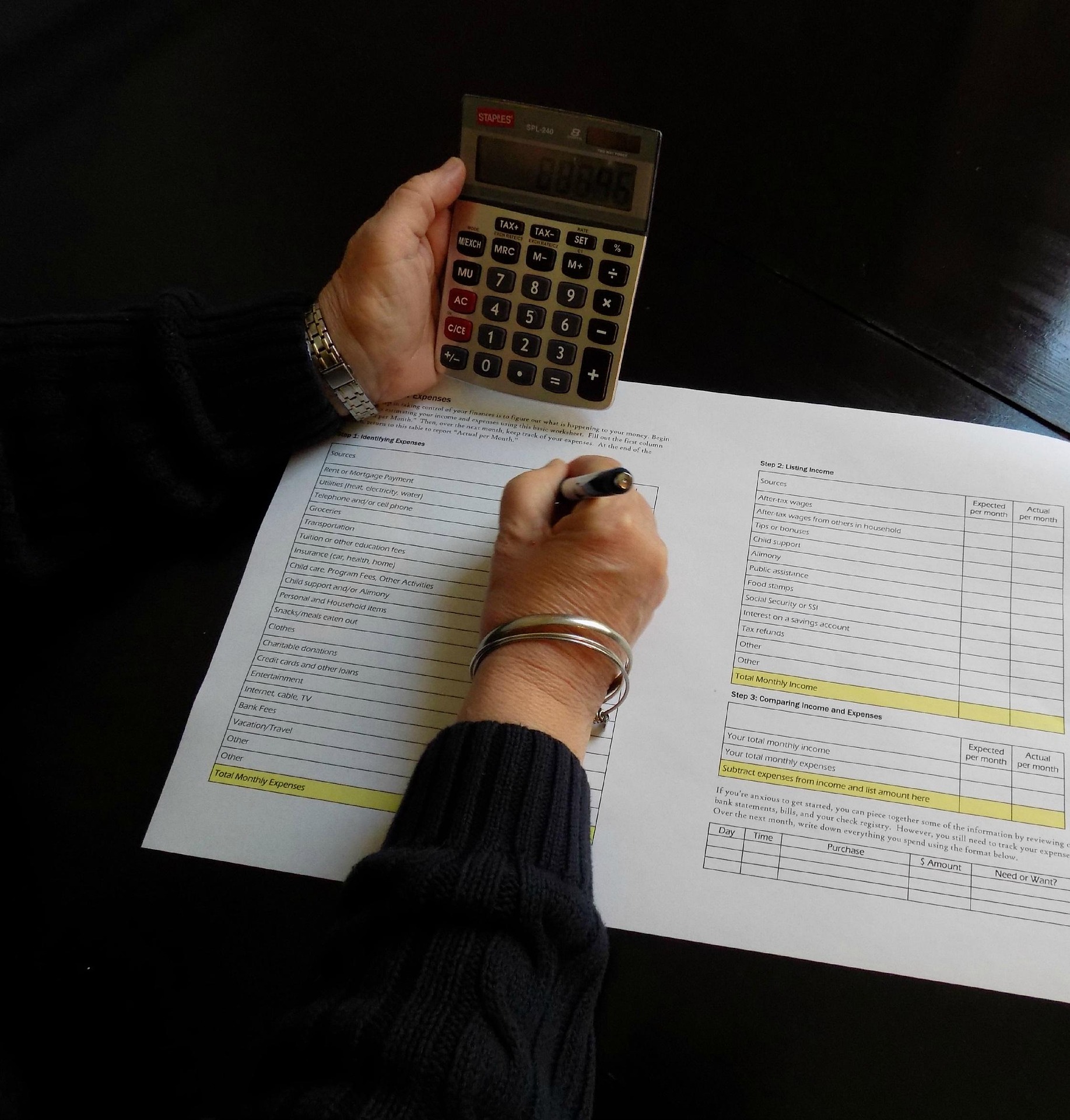
📊 Beginner’s Guide to Personal Budgeting (Step-by-Step)
Personal budgeting means planning how you will spend and save your money before you actually spend it. It helps you avoid debt, control expenses, and build savings—even on a low income.
Think of it as giving every dollar a job.
🧠 Step 1: Know Your Total Monthly Income
Start by calculating how much money you actually receive in a month.
Include:
- Salary or wages
- Freelance income
- Side income
- Any regular earnings
👉 Always use net income (after taxes) for accuracy.
📉 Step 2: Track Your Spending
Before making a budget, understand where your money is going.
Track everything:
- Food
- Rent
- Transport
- Bills
- Shopping
- Entertainment
You can write it down or use apps like PocketGuard.
👉 Most people are surprised when they see their real spending.
🧾 Step 3: Separate Needs, Wants, and Savings
Divide your money into 3 categories:
🏠 Needs (Must pay)
- Rent
- Food
- Utilities
- Transport
🎉 Wants (Lifestyle)
- Shopping
- Eating out
- Entertainment
💰 Savings (Future)
- Emergency fund
- Investments
- Debt repayment
📊 Step 4: Choose a Budget Method
💡 50/30/20 Rule
- 50% → Needs
- 30% → Wants
- 20% → Savings
💡 Low-income version
- 60% → Needs
- 25% → Wants
- 15% → Savings
👉 Adjust based on your income level.
💰 Step 5: Set Clear Financial Goals
Budgeting becomes easier when you know your purpose.
Examples:
- Save $500 emergency fund
- Pay off debt
- Buy a laptop
- Start investing
👉 Goals give direction to your money.
💳 Step 6: Assign Spending Limits
Now give each category a fixed limit.
Example:
If income = $400:
- Needs = $240
- Wants = $100
- Savings = $60
👉 Stick to these limits strictly.
🍔 Step 7: Cut Unnecessary Expenses
Find “money leaks” in your spending.
Common leaks:
- Fast food
- Unused subscriptions
- Impulse shopping
- Daily small expenses
👉 Even small cuts save a lot over time.
💰 Step 8: Pay Yourself First
This is a powerful habit.
How it works:
- Get income
- Immediately save a fixed amount
- Spend what remains
👉 Never save what is “left over.”
📱 Step 9: Use Budgeting Tools
Apps make budgeting easier:
- YNAB → structured budgeting system
- Monarch Money → financial overview
- PocketGuard → expense tracking
📅 Step 10: Review and Adjust Monthly
Your budget is not fixed forever.
Every month:
- Check spending
- Compare with plan
- Fix problem areas
👉 Budgeting improves with practice.
⚠️ Common Mistakes to Avoid
❌ Not tracking expenses
❌ Setting unrealistic budgets
❌ Ignoring savings
❌ Emotional spending
❌ Giving up too early
🧠 Simple Budget Formula
👉 Earn → Track → Plan → Spend → Save → Repeat
📌 Final Thoughts
Budgeting is not about restriction—it is about control and freedom.
Key idea:
A good budget helps you stay in control of your money, not stressed about it
Even small improvements in your budget can lead to:
- More savings
- Less debt
- Better financial stability
If you want, I can also create:
- Printable monthly budget sheet
- 30-day budgeting challenge
- Or a low-income budget plan step-by-step 🚀